Understanding Electrical Services: What Your Contractor Can Do for You
Understanding electrical services is crucial for homeowners. A certified electrical contractor serves a critical function in improving efficiency and safety. They offer a wide range of services, from installations to ongoing maintenance and system upgrades. Choosing the most suitable contractor involves considering a variety of important factors. Homeowners often overlook the critical need for following established safety regulations. As the topic develops, key insights will surface about improving electrical system performance and providing homeowners with peace of mind. What should homeowners prioritize in their electrical needs?
What Electrical Services Do Contractors Typically Provide?
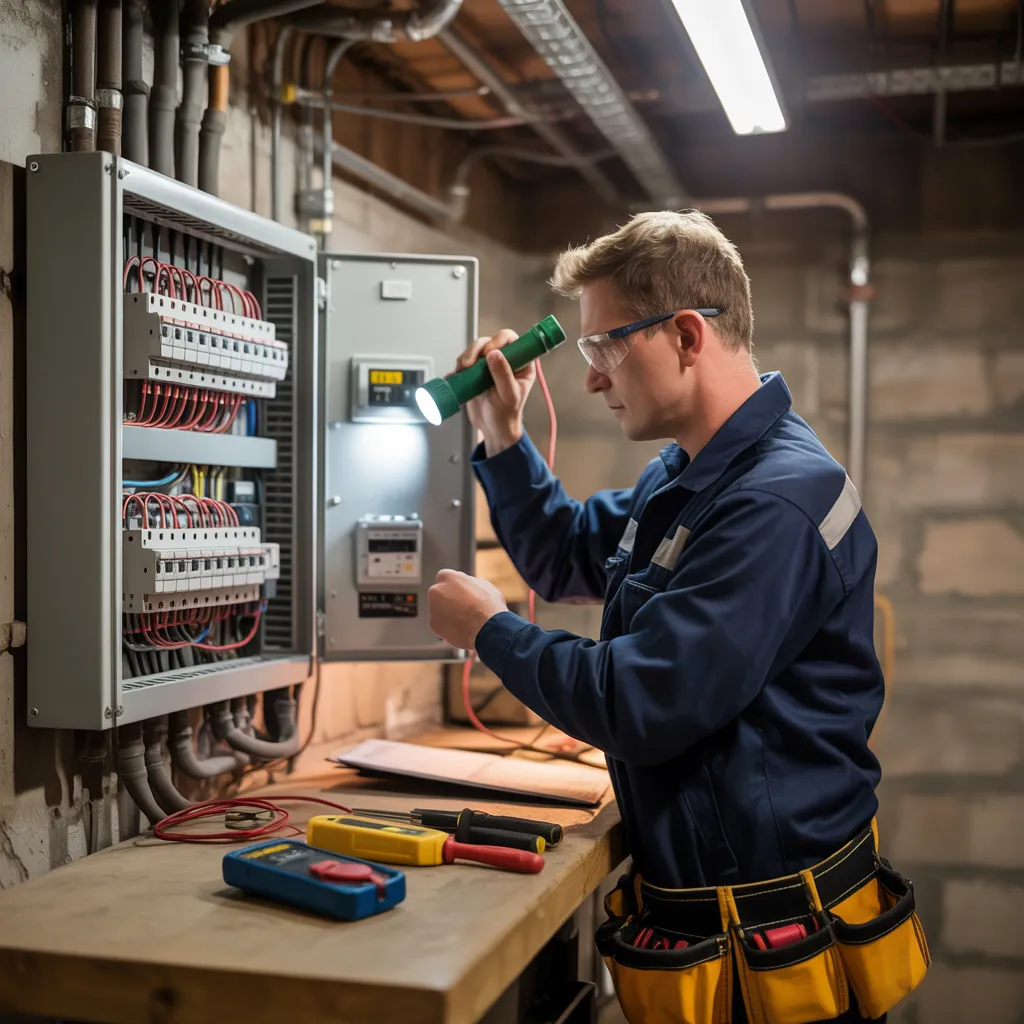
Electricians deliver a wide range of solutions designed to address various residential, commercial, and industrial needs. They manage installation projects, which include circuit breakers, lighting systems, and outlets. Furthermore, they provide maintenance services to guarantee electrical systems operate efficiently and safely. Problem-solving and repairs form another vital part of their work, addressing issues like faulty wiring or malfunctioning appliances.
In addition, electrical contractors excel at upgrading existing electrical systems to address current needs, including smart home technology and energy-efficient solutions. They are equally capable of ensuring compliance with local electrical codes, ensuring that installations comply with safety regulations. For business clients, services often extend to larger scale projects, such as infrastructure wiring for commercial buildings and industrial complexes. All things considered, electrical contractors play an essential role in guaranteeing that electrical systems are reliable, safe, and up to date, serving the distinct requirements of every customer.
What to Look for When Choosing an Electrical Contractor?
When choosing an electrical contractor, two critical factors come into play: expertise and credentials, along with proper licensing and adequate insurance. The proficiency of a contractor frequently demonstrates their capacity to manage diverse electrical work safely and efficiently. Ensuring proper licensing and insurance not only protects the homeowner but also verifies the contractor's legitimacy and professionalism.
Expertise and Credentials
Picking an electrical contractor requires careful evaluation of their experience and qualifications, which are essential signs of expertise and reliability. A contractor with substantial experience is likely familiar with a diverse range of electrical issues and configurations, allowing for more effective problem-solving. Furthermore, examining a contractor's qualifications, such as their education and professional credentials, can offer a glimpse of their proficiency in current industry technologies and standards. Skilled contractors are also better equipped to anticipate potential challenges and offer effective solutions, ensuring a more efficient project delivery. At the end of the day, selecting a contractor who exhibits both experience and appropriate certifications can greatly impact the standard and reliability of electrical work, fostering trust and confidence in the work delivered.
Licensure and Insurance Obligations
Licensing and insurance requirements play an essential role in the evaluation of an electrical contractor, as they guarantee compliance with local regulations and safeguard both the contractor and the client. Electrical professionals are required to hold the proper licenses, which reflect their technical proficiency and knowledge of safety protocols. This not only assures quality workmanship but also helps avoid potential legal issues. Furthermore, sufficient insurance shields clients from financial exposure resulting from accidents or damages throughout the project. Customers should validate a contractor's credentials by reviewing their licensing and insurance records. By focusing on licensed and insured contractors, clients gain greater confidence in their decision, ensuring that all electrical work is completed safely and efficiently.
What You Can Expect During an Electrical Installation
Throughout an electrical installation, a thorough pre-installation evaluation is necessary to confirm all requirements are met. This approach assists in identifying potential challenges and supports effective planning. Additionally, strict safety protocols are implemented to ensure the safety of both staff and property for the duration of the installation.
Pre-Installation Evaluation Process
A detailed pre-installation assessment is vital for a effective electrical installation. This procedure generally commences with a detailed site inspection where the contractor evaluates the current electrical infrastructure and detects any potential challenges. During this stage, contractors also gather information about the particular electrical requirements of the client, ensuring that the proposed system aligns with their expectations. Additionally, load calculations are performed to identify the suitable capacity and setup of the electrical system. The contractor might also examine local codes and regulations to verify compliance. This extensive assessment practical resource not only helps in planning the installation but also helps to prevent unforeseen issues, contributing to a more efficient execution of the electrical project.
Safety Measures In Effect
Applying stringent safety protocols is fundamental to any electrical installation. Professional contractors emphasize building a safe worksite by complying with strict regulations. This encompasses carrying out a comprehensive risk analysis before initiating the project, guaranteeing that all workers are outfitted with the proper personal protective equipment (PPE). During installation, the contractor will enforce lockout/tagout procedures to prevent accidental energization of circuits. Regular safety briefings are conducted to keep the crew informed of potential hazards. Moreover, the worksite is continuously evaluated for conformity with local electrical codes and regulations, verifying that all installations satisfy safety benchmarks. By adhering to these guidelines, contractors significantly minimize the likelihood of accidents, providing a more secure environment for both employees and property owners.
5 Most Common Electrical Repairs and How to Fix Them
When homeowners encounter electrical issues, understanding the most common repairs can streamline the troubleshooting process. One frequently occurring issue concerns malfunctioning outlets, typically addressed by swapping out the outlet or verifying correct wiring connections. Another typical repair concerns circuit breakers that repeatedly trip, which may require inspecting for overloaded circuits or damaged wiring. Flickering lights can indicate loose connections or outdated fixtures, requiring replacement or comprehensive examination. Moreover, power spikes can compromise appliances, leading to the use of surge protectors to protect equipment. In addition, unresponsive switches frequently point to defective wiring or the necessity for switch replacement, confirming that electrical circuits perform reliably. Understanding these concerns permits residents to collaborate productively with licensed electricians, supporting swifter and more thorough resolutions. Each of these common repairs highlights the importance of addressing electrical problems promptly to maintain safety and functionality within the home.
Why Regular Electrical Services Maintenance Matters
Routine electrical services upkeep is crucial for securing both efficiency and safety in a household electrical system. With time, deterioration can result in issues such as faulty wiring, overloaded circuits, or outdated components, heightening the danger of electrical fires and equipment failure. Planned inspections by certified professionals can identify potential problems before they worsen, enabling timely corrections or upgrades.
Moreover, regular maintenance helps to optimize energy efficiency, helping to lower utility bills and prolong the lifespan of appliances. It also ensures adherence to local building codes and safety regulations, shielding homeowners from potential legal liabilities. Failing to prioritize maintenance can cause unexpected breakdowns, leading to significant inconvenience and expensive repairs. By prioritizing regular electrical services, homeowners can protect their property, enhance the reliability of their electrical systems, and gain peace of mind knowing their electrical infrastructure remains in excellent condition.
Benefits and Options for Upgrading Your Electrical Systems
Updating electrical systems presents several benefits that can considerably boost a household's performance and security. Greater efficiency is a primary benefit, as advanced systems incorporate state-of-the-art technology to decrease power consumption and cut down on utility costs. Enhanced safety features, such as circuit protection devices and surge protectors, considerably minimize the danger of electrical fires and equipment failure.
Homeowners also gain access to increased power capacity, supporting the rising number of electrical devices and appliances in modern households. This enhancement permits the placement of more outlets and dedicated circuits for major appliances, lowering the likelihood of straining existing electrical wiring.
In addition, cosmetic upgrades can be attained through updated lighting fixtures and smart home integrations, facilitating personalized ambiance and convenience. With various options available, including complete rewiring or partial upgrades, homeowners are able to tailor their electrical modifications to suit specific needs and budgets, effectively increasing the home's overall value.
How to Maintain Compliance With Electrical Safety Standards
Ensuring compliance with electrical safety requirements is critical for both homeowners and contractors. To accomplish this, it is imperative to stay informed about local codes and standards, which can differ significantly. Tradespeople should undertake regular certification and training programs to maintain knowledge of current regulatory updates.
Carrying out detailed assessments preceding and subsequent to electrical work serves to uncover potential hazards. Employing certified experts who hold the required credentials confirms alignment with established safety standards. Additionally, maintaining accurate documentation of all electrical work performed creates a comprehensive account for future reference.
Routinely refreshing and reassessing safety protocols can additionally improve compliance, especially when new regulations are introduced. In addition, engaging with local authorities or electrical inspection services can provide valuable insights and guidance, guaranteeing that all work complies with established standards. By prioritizing these practices, both homeowners and contractors can contribute to a safer electrical environment.
Frequently Asked Questions
What Are the Signs That My Electrical System Needs an Upgrade?
Indicators that an electrical system calls for an upgrade include frequent circuit breaker trips, intermittent flickering of lights, outdated wiring, a lack of adequate outlets, or the incapacity to support today's electrical appliances. Speaking with a licensed electrician can supply a thorough professional assessment along with expert recommendations.
What Credentials Should I Look for When Hiring an Electrical Contractor?
When hiring an electrical contractor, you should consider qualifications such as appropriate licensing, proper insurance coverage, hands-on experience, and strong client testimonials. Credentials in safety standards and regular training also reflect a strong emphasis on quality and professional conduct.
Am I Able to Perform My Own Electrical Repairs Safely?
Attempting DIY electrical fixes can be risky without sufficient skills and understanding. All safety codes must be adhered to, and mistakes can lead to serious consequences. Seeking advice from a licensed electrical professional is typically the most prudent choice.
How Long Does an Electrical Installation Generally Take?
Electrical installation work generally takes from a few hours up to several days, based on how complex the project is. Elements including the property size and particular project demands play a significant role in determining the total duration.
What Are the Warning Signs of Faulty Electrical Wiring?
Warning signs of damaged electrical wiring include circuit breakers that trip frequently, flickering lights, stained or discolored outlets, the smell of burning, or overheated switches. Such symptoms frequently suggest deeper problems that necessitate urgent expert evaluation to protect your home and safety.